Featured
Table of Contents
That maximizes money in the short-term, and you may have three to 4 years to save toward the negotiation quantity. Really damaging to credit rating, mostly due to missed settlements and an unfavorable "settled" mark that might remain on your credit record for approximately 7 yearsMay be only choice if other choices (financial debt consolidation, balance transfer bank card, financial debt mercy) aren't possibleTypically requires a cost to the 3rd party, which can balance out some or all of the cost savings from financial obligation settlementMay aid you avoid insolvency if you have actually missed several paymentsNot all lenders work with financial debt settlement companies Financial obligation forgiveness might be best for you if you are experiencing a monetary hardship that makes it nearly difficult to pay for your financial debt equilibriums.
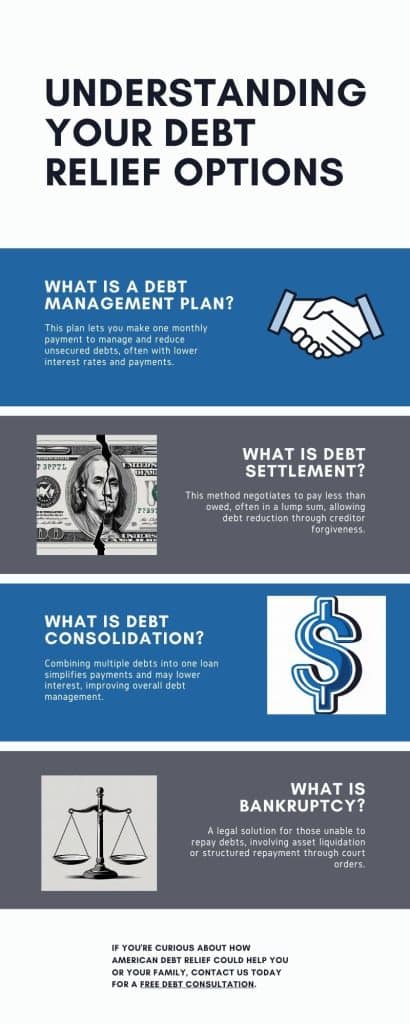
With a DMP, you make one month-to-month settlement to the credit report therapy agency. Those funds are then distributed to financial institutions of your unsafe debts, such as bank card and installment loans. The agency deals with your financial institutions to decrease rate of interest or forgo costs, but some creditors might decline such giving ins.
A financial obligation consolidation loan combines your eligible financial debts into one brand-new car loan. It can help you pay down financial obligation if you have the ability to protect a lending rate that's lower than the typical rate of the accounts you're settling. However, you should avoid racking up debt on those recently gotten rid of accounts or your debt can expand also greater.
That provides you lots of time to remove or considerably decrease your equilibrium while making interest-free repayments.
Getting Help From Debt Relief Options for Travel Nurses and Contract RNs Providers for Beginners
You might require it if your creditor or a collection firm ever attempts to accumulate on the debt in the future. When a lending institution forgives $600 or even more, they are needed to send you Form 1099-C.
Financial debt forgiveness or settlement generally hurts your credit score. Anytime you settle a debt for much less than you owe, it might look like "cleared up" on your credit rating report and impact your credit history rating for 7 years from the day of settlement. Your credit report can likewise go down significantly in the months leading to the mercy if you fall back on payments.
The smart Trick of Everything Must Prepare For In the Debt Forgiveness Process That Nobody is Talking About
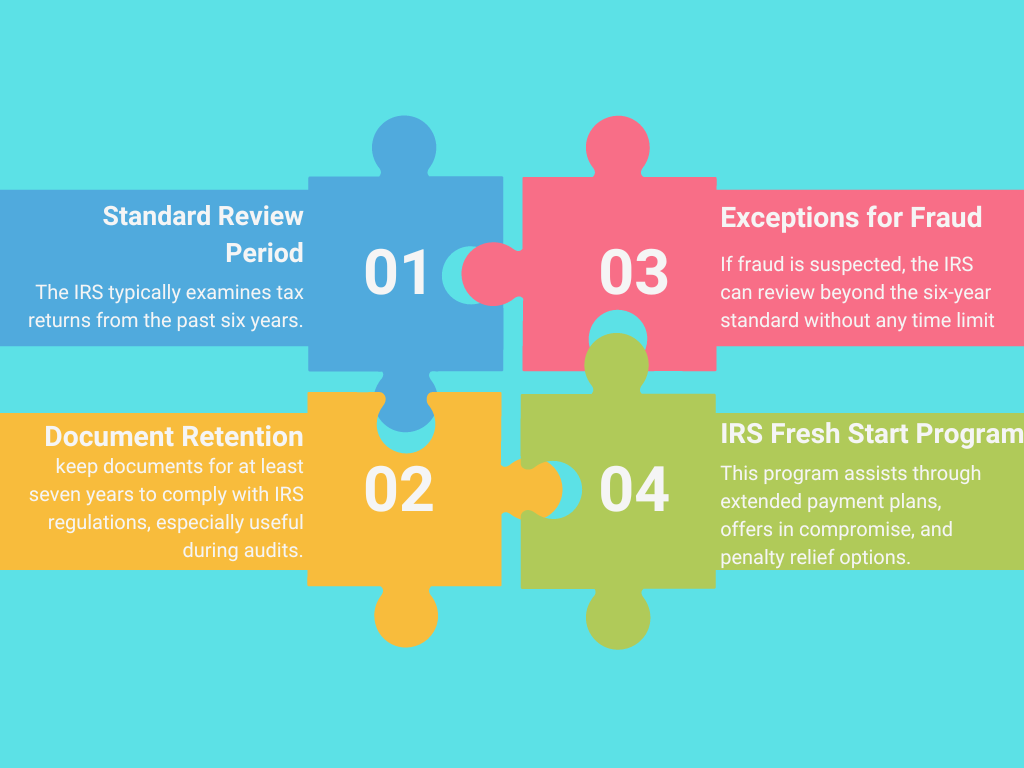
This situation often results from underreporting revenue, not submitting returns on time, or inconsistencies discovered throughout an IRS audit. The consequences of accumulating tax financial debt are major and can consist of tax obligation liens, which provide the IRS a legal case to your residential property as protection for the financial debt.
Wages and Bank Accounts IRS can impose (confiscate) earnings and financial institution accounts to satisfy the financial debt. Building Seizure In extreme instances, the Internal revenue service can take and market building to cover the debt.
Anxiety, anxiety, and various other mental health and wellness problems. Social Preconception Facing lawful action from the internal revenue service can lug social stigma. Damage to reputation and connections. Employment Opportunities A poor credit report rating as a result of tax financial obligation can limit employment possibility. Difficulty finding or keeping a job. Federal government Benefits Tax financial obligation might affect eligibility for government advantages, such as Social Safety and Medicaid.
8 Simple Techniques For Tools Provided From Certified Counselors
The OIC considers a number of variables, consisting of the taxpayer's revenue, costs, asset equity, and capacity to pay. Successfully bargaining an OIC can be complicated, requiring a thorough understanding of the IRS's guidelines and a strong disagreement for why your offer lines up with your capacity to pay. It is very important to keep in mind that not all applications are accepted, and the process calls for detailed economic disclosure.
The IRS evaluates your general economic circumstance, including your revenue, expenses, asset equity, and ability to pay. You have to also be current with all filing and payment requirements and not be in an open bankruptcy proceeding. The internal revenue service likewise considers your conformity history, assessing whether you have a document of prompt filing and paying tax obligations in previous years.
10 Easy Facts About What the Law Guarantees While Undergoing Bankruptcy Counseling Described
The application process for a Deal in Compromise entails numerous detailed actions. You need to finish and submit IRS Type 656, the Offer in Compromise application, and Kind 433-A (OIC), a collection information statement for individuals. These types need thorough financial details, including details concerning your revenue, debts, costs, and properties.
Back tax obligations, which are overdue tax obligations from previous years, can dramatically enhance your complete internal revenue service financial debt if not dealt with promptly. This debt can build up rate of interest and late repayment penalties, making the initial quantity owed a lot bigger over time. Failure to pay back taxes can cause the IRS taking enforcement actions, such as providing a tax obligation lien or levy versus your property.
It is necessary to deal with back taxes as soon as possible, either by paying the total owed or by preparing a layaway plan with the IRS. By taking positive actions, you can avoid the build-up of additional rate of interest and penalties, and protect against more hostile collection actions by the IRS.
One typical factor is the belief that the taxpayer can pay the total either as a round figure or through a payment plan. The internal revenue service additionally considers the taxpayer's income, costs, asset equity, and future earning potential. If these variables indicate that the taxpayer can afford to pay greater than the offered quantity, the internal revenue service is likely to deny the offer.
Steps to Take After Debt Relief Options for Travel Nurses and Contract RNs for Dummies
It is vital to provide accurate and full info in your application and to consult with a tax obligation expert to boost the possibilities of approval. Handling internal revenue service financial debt can be complicated and daunting. Tax obligation specialists, such as CPAs, tax obligation lawyers, or signed up representatives, can provide important support. They have the know-how to browse the details of tax obligation law and internal revenue service procedures.

Table of Contents
Latest Posts
The Definitive Guide for Developing Post-A Season of Gratitude: How APFSC Helps Families Thrive : APFSC Spending Strategy That Protects You
Free Informational Financial Literacy Materials Provided by APFSC Fundamentals Explained
All About How to Never Fall Into the Previous Mistakes After Your Fresh Start
More
Latest Posts
Free Informational Financial Literacy Materials Provided by APFSC Fundamentals Explained
All About How to Never Fall Into the Previous Mistakes After Your Fresh Start